
Categories
Education

Understanding Forex Currency Pairs: Majors, Minors, and Exotics

Understanding Forex Currency Pairs: Majors, Minors, and Exotics

Forex Education

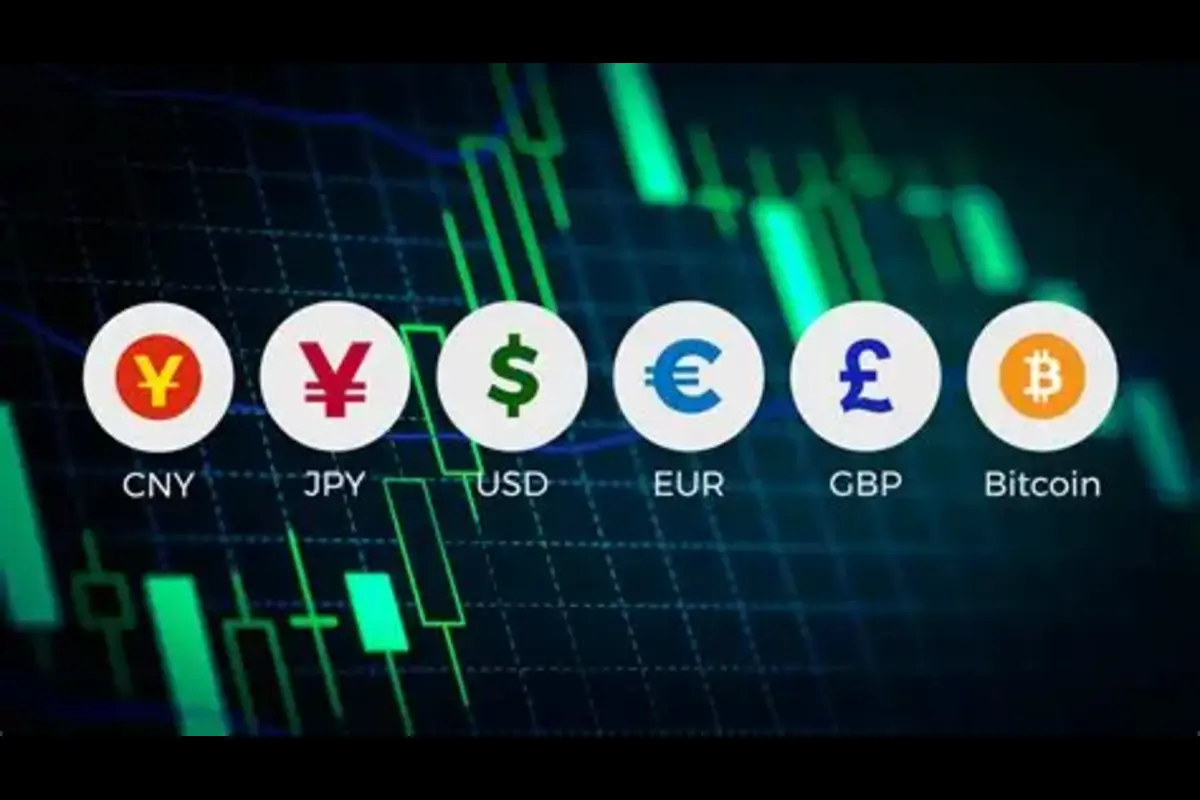
If you’re new to forex trading, one of the first things you’ll encounter is the concept of currency pairs. In the foreign exchange market, currencies are always traded in pairs—meaning you’re simultaneously buying one currency and selling another.

In this guide, we’ll break down the three main types of forex currency pairs: Majors, Minors, and Exotics. Understanding the differences between them is crucial for making informed trading decisions.

What is a Currency Pair?

A currency pair consists of two currencies:

  • The base currency (the first one listed)
  • The quote currency (the second one listed)

For example, in the pair EUR/USD:

  • EUR = base currency
  • USD = quote currency

This pair tells you how much of the quote currency (USD) is needed to buy one unit of the base currency (EUR).

  1. Major Currency Pairs

Majors are the most traded currency pairs in the world. They include the US Dollar (USD) and have high liquidity and tight spreads.

Key Features:

  • High trading volume
  • Low spreads (lower trading costs)
  • Strong liquidity

Examples:

Pair

Description

EUR/USD

Euro / US Dollar

GBP/USD

British Pound / US Dollar

USD/JPY

US Dollar / Japanese Yen

USD/CHF

US Dollar / Swiss Franc

AUD/USD

Australian Dollar / US Dollar

USD/CAD

US Dollar / Canadian Dollar

NZD/USD

New Zealand Dollar / US Dollar

🔎 Tip: Major pairs are ideal for beginners due to their stability and availability of information.

  1. Minor Currency Pairs

Minor pairs (also called cross currency pairs) do not include the US Dollar but involve other major currencies.

Key Features:

  • Moderate liquidity
  • Slightly higher spreads
  • Still commonly traded

Examples:

Pair

Description

EUR/GBP

Euro / British Pound

EUR/JPY

Euro / Japanese Yen

GBP/JPY

British Pound / Japanese Yen

AUD/NZD

Australian Dollar / New Zealand Dollar

Minors can offer more diverse opportunities, especially during regional market hours.

  1. Exotic Currency Pairs

Exotic pairs combine one major currency with a currency from an emerging or smaller economy (like South Africa, Turkey, or Thailand).

Key Features:

  • Low liquidity
  • Higher spreads and volatility
  • Riskier but potentially more rewarding

Examples:

Pair

Description

USD/TRY

US Dollar / Turkish Lira

EUR/SEK

Euro / Swedish Krona

USD/ZAR

US Dollar / South African Rand

USD/THB

US Dollar / Thai Baht

Exotic pairs are best suited for experienced traders who can handle volatility.

How to Choose the Right Currency Pair?

Your choice of currency pair should align with your:

  • Trading experience: Beginners often start with majors.
  • Risk appetite: Exotic pairs have higher risk and reward.
  • Trading strategy: Some strategies work better in volatile pairs, others in stable ones.
  • Market knowledge: Understanding economic and political news that affects certain currencies can give you an edge.
Categories
Blogs

Price Action vs Indicator-Based Trading: Which Is Better for Forex Traders?

Why Sticking to a Trading Plan Can Save You Thousands

Introduction

When it comes to forex trading, two major schools of thought dominate the market: Price Action Trading and Indicator-Based Trading. Each method has passionate supporters and proven success stories. But the big question remains:

Which one is better for you?

In this post, JKV Global explores the pros, cons, and practical differences between price action and indicator-based trading to help you choose the right path for your forex journey.

What Is Price Action Trading?

Price action trading involves making trading decisions based purely on the movement of price on the chart. No indicators. No complex formulas. Just the raw price, candlestick patterns, and market structure.

Key Components:

  • Candlestick patterns (e.g. pin bars, engulfing patterns)
  • Support and resistance zones
  • Trendlines and breakouts
  • Market structure (higher highs, lower lows)

Pros:

Clear and simple chart analysis
Real-time decision making
Helps develop a strong understanding of market psychology
Works well across all timeframes

Cons:

 Can be subjective
 Requires patience and screen time
 Takes time to master

What Is Indicator-Based Trading?

Indicator-based trading relies on technical indicators to generate buy/sell signals. These indicators are based on historical price and volume data, processed through mathematical formulas.

Common Indicators:

  • Moving Averages (MA)
  • Relative Strength Index (RSI)
  • MACD
  • Bollinger Bands
  • Stochastic Oscillator

Pros:

 Provides clear entry and exit signals
 Reduces emotional decision-making
 Easier for beginners to follow

Cons:

 Often lags behind price
 Can give false signals during ranging markets
 May lead to over-analysis (too many indicators = analysis paralysis)

Head-to-Head Comparison

Feature

Price Action

Indicator-Based Trading

Data Used

Raw price movement

Mathematical indicators

Chart Appearance

Clean, uncluttered

Crowded with indicators

Decision Basis

Candlestick patterns & structure

Signals generated by indicators

Learning Curve

Steeper (needs practice)

Easier to learn for beginners

Flexibility

High

Moderate

Lag Time

No lag – real-time

Some lag due to calculation delays

Which Trading Style Suits You?

Choose Price Action if you:

  • Prefer a clean chart
  • Want to understand the market’s behavior deeply
  • Are willing to invest time in learning and testing setups

Choose Indicator-Based Trading if you:

  • Prefer visual signals and systemized trading
  • Are just starting and need structure
  • Want to automate or semi-automate trades

Can You Combine Both?

Absolutely. In fact, many successful traders at JKV Global use a hybrid approach, where they use indicators to confirm price action signals.

For example:

A trader spots a bullish engulfing candle near support (price action) and waits for RSI to rise above 30 to confirm a buy (indicator-based confirmation).

This way, traders can enjoy the best of both worlds.

Final Thoughts

There is no one-size-fits-all answer in forex trading. The “better” method depends on your personality, trading goals, and time commitment.

At JKV Global, we help traders master both techniques through:

  • Live mentorship
  • Trading signals
  • Real-market analysis
  • Customized training sessions
Categories
Education

What Is Forex and How Does It Work?

Why Sticking to a Trading Plan Can Save You Thousands

What Is Forex?

Forex stands for foreign exchange, and it refers to the global marketplace where national currencies are bought and sold against one another. For example, when you exchange AED for USD while traveling, you’re participating in the Forex market.

However, most Forex trading is done electronically over-the-counter (OTC) by investors, banks, and institutions looking to profit from price changes in currency pairs.

How Does Forex Trading Work?

In Forex, currencies are always traded in pairs — for example, EUR/USD, GBP/JPY, or USD/JPY. The first currency is the base currency, and the *second is the quote currency. The price tells you how much of the quote currency you need to buy one unit of the base currency.

Example:
If EUR/USD = 1.1000, that means 1 Euro = 1.10 US Dollars.

Who Trades Forex?

Forex trading is open to:

  • Banks & Financial Institutions
  • Governments & Central Banks
  • Corporations
  • Retail Traders (individuals like you)

At JKV Global, we assist individual clients and businesses in entering and navigating this dynamic market confidently.

When Can You Trade Forex?

One of the unique advantages of Forex is that it’s open 24 hours a day, 5 days a week, due to global time zones. The market is divided into four major trading sessions:

  • Sydney
  • Tokyo
  • London
  • New York

This means you can trade almost anytime — perfect for those who need flexibility.

Why Do People Trade Forex?

People trade Forex for various reasons, including:

  • Speculation: Profit from price fluctuations
  • Hedging: Protect against currency risk
  • Investment Diversification
  • Global Business Transactions

 What Affects Currency Prices?

Several factors influence the rise and fall of currency values:

  • Interest Rates
  • Inflation
  • Political Stability
  • Economic Reports
  • Geopolitical Events

Traders analyze these elements using technical and fundamental analysis to make informed decisions.

What Do You Need to Start Trading Forex?

Getting started is easier than ever. Here’s what you need:

  1. A Forex Broker (JKV Global offers support in broker selection)
  2. A Trading Platform (like MetaTrader 4 or MetaTrader 5)
  3. An Internet Connection
  4. Capital to Invest
  5. Education & Strategy

JKV Global provides resources and personal guidance to help you build your Forex knowledge step by step.

Conclusion

Forex trading can be a powerful way to grow your wealth and financial knowledge — but it requires education, practice, and discipline. At JKV Global, we are committed to helping new and experienced traders succeed in the Forex market.

Categories
Blogs

Why Forex Trading Is More Relevant Than Ever

Why Sticking to a Trading Plan Can Save You Thousands

Introduction: Forex in a Fast-Changing World

In 2025, global financial markets are facing historic shifts—rising inflation, geopolitical tensions, evolving trade agreements, and unpredictable interest rate policies. In the middle of all this change, one market remains resilient, flexible, and full of opportunity: the foreign exchange market, or Forex.


Now averaging over $7.5 trillion in daily trading volume, Forex has become more than just a currency exchange mechanism—it’s a strategic trading landscape for both individual and institutional investors worldwide.


What Makes Forex So Relevant Today?

  1. Global Economic Uncertainty = More Volatility

Volatility drives opportunity—and Forex thrives on volatility. Central banks are raising and lowering interest rates to fight inflation, and every press release from the Federal Reserve or ECB sends currency pairs into motion. For active traders, this creates numerous short- and medium-term profit opportunities.


JKV Global Insight: Major pairs like EUR/USD, GBP/JPY, and USD/CHF have seen consistent high-volume moves after rate statements in 2025.


  1. 24-Hour Market = Non-Stop Access

Unlike stock markets, which operate on limited hours, Forex is open 24 hours a day, five days a week. That means traders can react to global events in real time—from Asia to Europe to North America.


Whether you’re trading before work or analyzing late-night moves, Forex fits your schedule—not the other way around.


  1. Leverage and Lower Capital Requirements

Forex allows traders to start with smaller capital compared to other markets, thanks to leverage. While leverage should be used wisely, it opens up access for more retail traders who want exposure without high entry costs.


JKV Global offers tailored guidance on responsible leverage usage and risk management tools.


  1. AI and Automation Are Enhancing Performance

AI-driven analytics, automated trading bots, and smart algorithms are giving traders more data and execution power than ever. In 2025, more than 65% of retail traders use some form of automation or AI-based strategy.


At JKV Global, we offer AI-enhanced Forex tools to help you identify trends faster, reduce emotional decision-making, and improve execution speed.


  1. Wider Access to Education and Tools

Forex is no longer limited to large institutions. Thanks to better trading platforms, free educational content, and mobile apps, millions of new traders have entered the market globally.


JKV Global supports this new wave with:


Weekly live market briefings


Strategy guides for all experience levels


Customized mentoring programs

As you can see, Forex offers the ideal combination of accessibility, liquidity, and flexibility.


Conclusion: Now Is the Time to Trade Forex

As the global economy continues to shift and evolve, Forex remains the one market that consistently adapts, responds, and delivers opportunities.


Whether you’re a beginner learning the basics or a seasoned trader looking to optimize your strategy with AI tools, Forex trading is more relevant than ever—and JKV Global is here to help you make the most of it.

Categories
Blogs

How AI Is Revolutionizing Forex Trading in 2025

Why Sticking to a Trading Plan Can Save You Thousands

Introduction

The financial markets are evolving, and so is the way we trade. In 2025, Artificial Intelligence (AI) is no longer just a buzzword — it’s a powerful tool that’s transforming how forex traders make decisions. At JKV Global, we believe in empowering traders with the latest technologies and knowledge to stay ahead. So, how is AI changing forex trading? Let’s dive in.


1. Smarter Market Analysis

Gone are the days of spending hours reading charts and indicators. AI-powered algorithms can now process thousands of market data points in seconds. These smart systems detect patterns, trends, and market shifts with precision — helping traders make faster, more informed decisions.


2. Automated Trading Strategies

With AI, traders can now set up automated trading bots that execute trades based on pre-programmed strategies. These bots run 24/7, removing human emotion from the equation and allowing traders to capitalize on market opportunities even while they sleep.

JKV Global offers integration with MetaTrader 5, enabling smart AI-based trading functionalities.


3. Real-Time Risk Management

AI tools help traders assess their risk in real-time. From dynamic stop-loss levels to automated risk-reward ratio calculators, AI ensures that every trade aligns with the trader’s risk profile. This is especially useful in volatile markets like forex.


4. Predictive Analytics for Market Forecasting

AI isn’t just reactive; it’s predictive. Using machine learning, AI systems can forecast potential price movements by analyzing historical data and current market behavior. While not 100% accurate, these insights give traders a valuable edge.


5. Personalized Learning with AI

At JKV Global, we combine trading education with AI* to offer personalized learning paths. Our system identifies your trading style and suggests courses, webinars, and strategies tailored to your goals — speeding up your learning curve.


Conclusion

AI is here to stay — and it’s changing the game for forex traders worldwide. Whether you’re a beginner or an experienced trader, integrating AI into your trading strategy can lead to smarter, faster, and more profitable decisions. At JKV Global, we’re leading this evolution by offering AI-enhanced tools and education to traders globally.

Categories
Blogs

Why Sticking to a Trading Plan ?

Why Sticking to a Trading Plan Can Save You Thousands

In the fast-paced world of trading, it’s tempting to chase trends, act on emotions, or follow hype. But one principle separates successful traders from those who struggle: discipline — and that starts with having, and sticking to, a trading plan.

What Is a Trading Plan?
A trading plan is a written set of rules that defines how and when you enter and exit trades, how much you risk, what strategies you use, and your overall goals. It eliminates guesswork and helps you stay objective.


Why It Matters
1. Reduces Emotional Decision-Making
The markets can be volatile, and fear or greed often push traders to make impulsive decisions. A plan keeps you focused and calm, even when the market isn’t.


2. Helps Manage Risk
With clear risk parameters—like how much you’re willing to lose per trade—you protect your capital and avoid catastrophic losses.


3. Builds Consistency
Consistency is the key to long-term success. A trading plan helps you develop habits that support steady growth rather than short-lived wins.


4. Makes Performance Review Easier
A documented plan makes it easier to track what works and what doesn’t. You can analyze your trades and continuously improve.


Final Tip: Test Before You Trade
Before going live, test your trading plan using historical data or a demo account. This gives you confidence and allows for tweaks before real money is at stake.


Conclusion

Every seasoned trader at JKV Global has one thing in common: they don’t trade on a whim. They follow a system. Whether you’re just starting out or refining your strategy, the discipline to follow your plan could be your biggest trading asset.

Have a trading plan? Share your approach in the comments below or connect with a JKV Global mentor to sharpen your strategy.