Categories
Blogs

CFD Trading Risks and Regulations: What Every Trader Must Know

jkvglobal

CFD trading has become increasingly popular among investors looking to access global markets from a single platform. But while opportunities exist, many traders underestimate the risks and the importance of regulation.


If you are a CFD trader or exploring CFD forex markets in the UAE, understanding both risks and regulations is essential before choosing a CFD broker or starting live trading.


This guide explains how CFD trading works, the real risks involved, and how regulations in the UAE are designed to protect traders.

What Is CFD Trading?

A Contract for Difference (CFD) is a financial derivative that allows traders to speculate on price movements without owning the underlying asset.

In simple terms, CFDs let you profit or lose based on whether an asset’s price moves up or down. These assets can include:

  • Forex (currencies)
  • Stocks and indices
  • Commodities
  • Cryptocurrencies (depending on the broker)

CFDs are widely used because they offer flexibility and access to multiple markets through one trading account.

Is CFD Trading? Legal in the UAE?

Yes, CFD trading is legal in the UAE, but it is strictly regulated.


The financial ecosystem is supervised by multiple authorities, including:

  • The Securities and Commodities Authority (SCA)
  • The Dubai Financial Services Authority (DFSA)
  • The Financial Services Regulatory Authority (FSRA) under ADGM

These regulators ensure that brokers follow strict compliance rules and maintain transparent trading environments. 


In 2026, new capital market laws further strengthened regulatory oversight, increasing penalties for violations and improving investor protection frameworks. 

Why Regulation Matters for CFD Traders

Choosing a regulated CFD broker is one of the most important decisions a trader makes.


Regulated brokers are required to:

  • Keep client funds separate from company funds
  • Maintain minimum capital requirements
  • Follow strict reporting and audit processes
  • Provide transparent pricing and execution

This reduces the risk of fraud and ensures a more secure trading environment.

The Real Risks of CFD Trading

CFD trading is not risk-free. In fact, regulators consistently highlight it as a high-risk financial activity.


  1. Leverage Risk

CFDs allow traders to use leverage, meaning you can control a larger position with a smaller amount of capital.

While this increases potential profits, it also increases losses significantly. Even small market movements can lead to major losses.

Regulatory warnings clearly state that leveraged derivatives can result in rapid loss of funds. 


  1. Market Volatility

CFD markets are highly sensitive to:

  • Economic news
  • Interest rate changes
  • Global events

Price fluctuations can be sudden and unpredictable, making risk management essential.


  1. Overtrading and Emotional Decisions

Many traders enter too many positions or increase risk after losses.

Without discipline, even a strong strategy can fail. This is why trading psychology plays a major role in CFD success.


  1. Counterparty Risk

In CFD trading, your broker is often the counterparty to your trade.

If the broker is not reliable or properly regulated, this can create additional risk beyond market movements.


  1. Withdrawal and Liquidity Issues

Some traders face challenges with CFD withdrawal processes, especially when dealing with unregulated or offshore brokers.

Common issues include:

  • Delayed withdrawals
  • Hidden conditions
  • Lack of transparency

Choosing a compliant broker significantly reduces these risks.

How UAE Regulations Protect CFD Traders

The UAE has built a strong regulatory framework to protect investors.


Strict Licensing Requirements

Only authorized firms can offer CFD services. Regulators ensure that companies meet financial and operational standards before approval.


Risk-Based Trading Rules

Authorities like the DFSA have introduced rules such as higher margin requirements for retail CFD traders to reduce excessive risk exposure. 


Ongoing Monitoring and Compliance

Regulators continuously monitor brokers for:

  • Financial stability
  • Fair trading practices
  • Customer protection

Both DIFC and ADGM frameworks are designed to maintain market integrity and transparency. 


Alignment with Global Standards

Regulatory bodies in the UAE align with international financial standards, making the region one of the more structured environments for trading.

How to Trade CFDs Safely (Step-by-Step)

If you are planning to trade CFDs, following a structured approach can reduce risk.


Step 1: Choose a Regulated CFD Broker

Always verify:

  • License details
  • Regulatory authority
  • Transparency of operations

Step 2: Start with a Demo Account

Practice trading without real money to understand platform functionality and market behaviour.


Step 3: Use Risk Management Tools

Set:

  • Stop-loss orders
  • Take-profit levels
  • Risk limits per trade

Step 4: Avoid High Leverage Initially

Start with lower leverage until you understand how market movements impact your account.


Step 5: Test Withdrawals Early

Make small withdrawals to check how the broker handles the process before committing larger funds.

Common Mistakes CFD Traders Should Avoid

  • Choosing unregulated brokers based on marketing promises
  • Ignoring withdrawal policies
  • Overleveraging trades
  • Trading without a plan
  • Expecting guaranteed returns

These mistakes are often the reason traders face losses or operational issues.

CFD Trading: Risk vs Opportunity

CFD trading offers access to global markets, flexibility, and advanced trading tools. However, it also comes with significant risks, especially for inexperienced traders.


The key difference between successful and struggling traders is not just strategy, but understanding:

  • Risk exposure
  • Regulatory protection
  • Broker reliability

Final Thoughts

CFD trading can be a valuable financial tool when approached with awareness and discipline. The UAE provides a well-regulated environment, but traders still need to take responsibility for their decisions.


Understanding CFD trading risks and regulations helps you:

  • Protect your capital
  • Avoid unreliable brokers
  • Trade with realistic expectations

Before starting, focus on education, verify your broker, and always prioritize compliance over convenience.

FAQs

Is CFD trading safe for beginners in the UAE?

CFD trading can be risky for beginners due to leverage and market volatility. However, using a regulated CFD broker, starting with a demo account, and applying proper risk management strategies can help reduce potential risks.

How can I check if a CFD broker is regulated in the UAE?

You can verify a CFD broker by checking official regulator websites such as the Securities and Commodities Authority (SCA), DFSA, or ADGM FSRA. Look for the broker’s license number, legal name, and approved activities to confirm authenticity.

What are the main risks involved in CFD trading?

The main risks include leverage-related losses, market volatility, emotional trading decisions, and counterparty risk. CFDs are high-risk instruments, and traders can lose their capital quickly if risk management is not followed.

Categories
Blogs

CFD vs Forex Trading: What’s the Difference and Which One Should You Choose?

jkvglobal

If you’re exploring online trading, one of the most common questions you’ll face is: CFD vs forex trading, which is better?

Many traders in Dubai and across global markets start with forex, then later discover CFDs. Both offer access to financial markets, but they work differently and suit different types of traders.

This guide breaks it down in a simple, practical way so you can decide what fits your goals.

What Is CFD Forex Trading?

Forex trading is the process of buying and selling currency pairs like EUR/USD or GBP/USD. It is the largest financial market in the world, operating 24 hours a day during weekdays. 

In simple terms:

  • You trade one currency against another
  • You profit from exchange rate movements
  • It focuses only on currencies

Forex trading is often preferred by traders who want a focused and liquid market with fewer variables.

What Is CFD Trading?

CFD stands for Contract for Difference. It allows a trader to speculate on price movements of different assets without owning them. 

With CFD trading, you can trade:

  • Forex pairs
  • Stocks
  • Commodities like gold and oil
  • Indices and cryptocurrencies

Unlike forex, CFDs are not limited to currencies. They are a broader trading instrument. 

CFD vs Forex: Key Differences Explained

  1. Markets You Can Trade

The biggest difference is market access.

  • Forex → Only currency pairs
  • CFDs → Multiple markets in one platform

CFDs give traders access to a wide range of assets, while forex is limited to currencies. 


  1. Complexity vs Simplicity

Forex trading is generally simpler because:

  • Fewer instruments
  • Clear price drivers (interest rates, economic data)

CFDs are more complex because:

  • Multiple asset classes
  • Different market behaviors

This makes forex more beginner-friendly in many cases.


  1. Trading Flexibility

CFDs offer more flexibility:

  • Trade stocks, gold, crypto, indices
  • Diversify within one account

Forex offers:

  • High liquidity
  • Deep market participation

So it’s a choice between diversification vs specialization.


  1. Pricing and Market Drivers

Forex prices are driven by:

  • Economic data
  • Interest rates
  • Global macro trends

CFD prices depend on:

  • The underlying asset (stocks, commodities, etc.)
  • Supply and demand for that market 


  1. Risk and Leverage

Both CFD and forex trading involve leverage, which increases both potential profit and loss.

Important points:

  • CFDs are margin-based contracts
  • Losses can exceed deposits in some cases
  • Risk management is essential

Studies and industry data often show a high percentage of traders lose money due to leverage misuse.

Quick Comparison Table

Feature

Forex Trading

CFD Trading

Market Scope

Only currencies

Multiple assets

Complexity

Lower

Higher

Flexibility

Limited

High

Liquidity

Very high

Varies by asset

Best For

Focused traders

Diversified traders

How to Choose Between CFD and Forex Trading

Your choice should depend on your trading goals, not trends.


Choose Forex Trading if you:

  • Want a simpler market
  • Prefer currency-focused strategies
  • Are a beginner learning fundamentals
  • Want high liquidity and tight spreads

Choose CFD Trading if you:

  • Want access to multiple markets
  • Prefer diversification
  • Are comfortable managing complexity
  • Want to trade stocks, gold, or indices alongside forex

Can You Trade Forex Using CFDs?

Yes, and this is where many traders get confused.

You can trade forex in two ways:

  • Direct forex trading
  • Forex via CFDs

In CFD forex trading, you are still speculating on currency movements, but through a contract rather than direct market exposure. 

Common Concerns Traders Have

“Is CFD trading riskier than forex?”

Not necessarily, but:

  • CFDs involve more instruments
  • Complexity increases decision risk

Risk depends more on your strategy and discipline than the instrument itself.

“Which is better for beginners?”

Forex is usually easier to start with due to:

  • Simpler structure
  • Fewer variables

However, beginners can also use CFDs if they focus on one market initially.

“Do withdrawals differ between CFD and forex?”

Not really. Withdrawal processes depend on the broker, not whether you trade CFD or forex.

Always choose:

  • A regulated broker
  • Transparent withdrawal policies
  • Verified payment methods

Practical Tips Before You Start

  • Start with a demo account
  • Focus on one market first
  • Learn risk management before scaling
  • Avoid over-leveraging
  • Choose a reliable CFD broker or forex broker

Final Thoughts

CFD vs forex trading is not about which is better overall. It is about what suits your trading style.


Forex offers simplicity and deep liquidity.
CFDs offer flexibility and wider market access.


Many experienced traders eventually use both, starting with forex and expanding into CFDs as they gain confidence.


The key is not the instrument, but how well you understand it, manage risk, and choose the right trading environment.

FAQs

What is the main difference between CFD and forex trading?

The main difference is that forex trading focuses only on currency pairs, while CFD trading allows you to trade multiple assets such as stocks, commodities, indices, and forex. CFDs offer broader market access, whereas forex is more focused and simpler to understand.

Is CFD trading better than forex trading for beginners?

Forex trading is generally considered more beginner-friendly because it involves fewer instruments and simpler market dynamics. CFD trading can be more complex due to the variety of assets, but beginners can still start with CFDs by focusing on one market at a time.

Can I trade forex using a CFD broker?

Yes, many CFD brokers offer forex trading through contracts for difference. This means you can trade currency price movements without owning the actual currencies, using the same platform that provides access to other markets like commodities or indices.

Categories
Blogs

CFD Withdrawal Process: Issues and How to Fix Them

jkvglobal

For any CFD trader, the real test of a platform is not execution speed or spreads. It is whether you can withdraw your money smoothly. Many traders only start searching for answers when a CFD withdrawal gets delayed, rejected, or stuck in processing.

If you are facing issues with your CFD broker or want to avoid future problems, this guide explains how the withdrawal process works, why issues happen, and how to fix them step by step.

What Is the CFD Withdrawal Process?

A CFD withdrawal is the process of transferring funds from your trading account back to your bank, card, or e-wallet.

In most cases, the process includes:

  1. Submitting a withdrawal request
  2. Broker verification and compliance checks
  3. Internal approval and processing
  4. Transfer through payment providers or banks

While this sounds simple, multiple layers of verification and financial regulation are involved behind the scenes.

Why CFD Withdrawal Issues Happen

Withdrawal problems are one of the most common concerns among traders globally. In fact, many traders judge a CFD broker based on how efficiently withdrawals are handled rather than trading conditions. 

Here are the most common reasons:


  1. Incomplete Verification (KYC Issues)

If your account is not fully verified, your withdrawal may be delayed or rejected.

Brokers require:

  • ID proof (passport or Emirates ID)
  • Proof of address
  • Payment method verification

Without proper verification, withdrawals may be blocked as part of compliance requirements.


  1. Payment Method Mismatch

A major cause of CFD withdrawal problems is using a different method than the original deposit.

For example:

  • Depositing via card but withdrawing to a different bank
  • Using someone else’s payment account

Due to anti-money laundering rules, brokers must send funds back to the original source whenever possible. 


  1. Open Positions and Margin Requirements

In CFD trading, you cannot always withdraw your full balance.

If you have open trades:

  • A portion of your funds is locked as margin
  • Only the available balance can be withdrawn

This is a common misunderstanding among new cfd forex traders. 


  1. Broker Compliance and Internal Reviews

Even if everything looks correct, withdrawals may go through internal checks.

These include:

  • Anti-money laundering (AML) reviews
  • Risk and fraud monitoring
  • Large transaction verification

As seen in your own platform insights, delays often happen due to compliance reviews rather than intentional blocking. 


  1. Banking and Payment Delays

Sometimes the issue is not the broker at all.

Delays can occur due to:

  • Bank processing time (3–5 working days or more)
  • Intermediary banks
  • Incorrect account details

Even after approval, funds may take time to reach your account. 


  1. Red Flags from Unreliable Brokers

Not all issues are normal.

You should be cautious if:

  • Withdrawal requests are repeatedly delayed without reason
  • New conditions appear after profits
  • Support avoids clear answers

Consistent withdrawal complaints are one of the biggest warning signs of a poor broker.

How to Fix CFD Withdrawal Issues (Step-by-Step)

If your withdrawal is delayed or rejected, follow this structured approach.


Step 1: Check Your Verification Status

Log in to your account and confirm:

  • All documents are approved
  • No pending verification requests

If required, resubmit clear and updated documents.


Step 2: Match Your Payment Method

Ensure:

  • Withdrawal method matches deposit method
  • Account name matches your trading account

This alone resolves many withdrawal issues.


Step 3: Review Broker Withdrawal Policy

Check:

  • Processing time (usually 24–72 hours internally)
  • Minimum withdrawal limits
  • Fees and conditions

Many traders skip this step and face avoidable issues later.


Step 4: Close or Adjust Open Trades

If funds are tied in margin:

  • Close positions if necessary
  • Ensure enough free margin is available

This allows withdrawal requests to be processed correctly.


Step 5: Contact Support with Clear Details

Provide:

  • Withdrawal request ID
  • Date of request
  • Payment method used

Clear communication speeds up resolution.


Step 6: Escalate If Needed

If delays continue:

  • Request escalation within the broker
  • Collect transaction records
  • Contact the financial regulator if required

Many traders successfully recover funds by following structured escalation steps.

How to Choose a CFD Broker with Smooth Withdrawals

To avoid problems in the future, choose a broker carefully.

Look for:

  • Clear and transparent withdrawal policies
  • Consistent processing timelines
  • Positive user feedback on payouts
  • Regulated and compliant operations

A reliable broker ensures withdrawals are predictable, not stressful.

Key Tips for CFD Traders

  • Always verify your account before depositing large funds
  • Avoid using multiple payment methods unnecessarily
  • Keep records of all transactions
  • Test withdrawals early with small amounts
  • Prioritize regulated brokers over high-promise platforms

Final Thoughts

CFD trading offers access to global markets, but the withdrawal process is where trust is truly tested. Most CFD withdrawal issues are caused by verification gaps, payment mismatches, or compliance checks rather than deliberate blocking.


By understanding the process and following the right steps, traders can avoid common mistakes and resolve issues faster.


A smooth withdrawal experience is not just a convenience. It is a sign that you are working with a reliable CFD broker and managing your trading account responsibly.

Why is my CFD withdrawal request delayed?

A CFD withdrawal can be delayed due to incomplete verification, payment method mismatches, open trading positions, or compliance checks such as anti-money laundering reviews. In some cases, bank processing times may also cause delays even after the broker has approved the request.

How long does a CFD withdrawal usually take?

Most CFD brokers process withdrawal requests within 24 to 72 hours internally. After approval, it may take an additional 2 to 5 business days for the funds to reach your bank account or payment method, depending on the provider and region.

What should I do if my CFD withdrawal is rejected?

If your CFD withdrawal is rejected, check your account verification status, ensure your payment method matches your deposit method, and review the broker’s withdrawal policy. If the issue continues, contact customer support with your transaction details or escalate the matter if needed.

Categories
Blogs

How to Choose a Reliable CFD Broker for Trading

jkvglobal

Choosing the right CFD broker is one of the most important decisions any trader can make. Whether you are a beginner exploring CFD forex markets or an experienced CFD trader looking to switch platforms, the broker you choose directly impacts your trading experience, withdrawals, and overall trust.
With so many options available online, it’s easy to feel uncertain. This guide breaks down how to identify a reliable CFD broker, what to avoid, and how to make a confident decision based on real factors, not marketing promises.

What Is CFD Trading and Why Broker Choice Matters

CFD (Contract for Difference) trading allows you to speculate on price movements of assets like forex, commodities, indices, and stocks without owning the underlying asset.

While CFD trading offers flexibility and access to global markets, it also comes with risk. That’s why choosing a reliable CFD broker is critical. A good broker ensures fair pricing, smooth execution, and timely CFD withdrawal processes.

Why Traders Struggle to Find a Reliable CFD Broker

Many traders enter the market after seeing ads or quick-profit claims, only to face issues like:

  • Delayed or rejected CFD withdrawal requests
  • Hidden fees and unclear spreads
  • Poor platform performance
  • Lack of customer support
  • Unregulated or offshore brokers

These problems are more common than expected, which is why trust and transparency should be your top priority.

How to Choose a Reliable CFD Broker (Step-by-Step)

1. Check Regulation and Broker Credibility

The first step is verifying whether the CFD broker is regulated. A regulated broker must follow strict financial rules designed to protect traders.

Look for:

  • Clear licensing information
  • Public registration with financial authorities
  • Transparent company background

If a broker avoids sharing regulatory details, it’s a major red flag.


2. Evaluate the Trading Platform

Your platform is where all trading decisions happen. A reliable CFD broker should offer a stable and user-friendly trading platform.

Key features to check:

  • Fast order execution
  • Real-time pricing
  • Advanced charting tools
  • Mobile and desktop access

A strong platform improves both performance and confidence while trading.


3. Understand CFD Withdrawal Policies

One of the biggest concerns for traders is withdrawing funds.

Before choosing a broker, check:

  • Withdrawal processing time
  • Supported payment methods
  • Any hidden fees
  • Verification requirements

A transparent CFD withdrawal process is a strong indicator of a trustworthy broker.


4. Compare Costs and Spreads

Every CFD broker charges fees in different ways, usually through spreads, commissions, or overnight charges.

Instead of choosing the lowest cost blindly, focus on:

  • Consistency in spreads
  • No hidden charges
  • Clear fee structure

Reliable brokers prioritize transparency over unrealistic low-cost claims.


5. Check Support and Responsiveness

Customer support becomes critical when you face issues with trades or withdrawals.

A good CFD broker should offer:

  • Quick response time
  • Multiple contact options
  • Clear communication
  • Local or regional support when possible

This becomes especially important for traders operating in fast-moving markets.


6. Look at Real User Experience

Before making a final decision, check how other CFD traders describe their experience.

Focus on:

  • Withdrawal success rate
  • Platform reliability
  • Transparency in operations
  • Long-term user satisfaction

Consistent positive feedback is usually a strong trust signal.

CFD Forex vs Traditional Forex Trading

Many traders compare CFD forex with standard forex trading.

CFD forex trading allows:

  • Trading without owning assets
  • Flexible position sizes
  • Access to multiple markets

However, it also requires:

  • Strong risk management
  • Understanding leverage
  • Choosing the right broker

Your broker plays a major role in how effectively you can manage these factors.

Warning Signs of an Unreliable CFD Broker

Avoid brokers that:

  • Promise guaranteed profits
  •  Delay or block withdrawals without reason
  • Lack clear company information
  • Push aggressive deposit offers
  • Provide unclear or changing trading conditions

These are common patterns seen in unreliable platforms.

What Makes a CFD Broker Truly Reliable

A reliable CFD broker typically offers:

  • Transparent operations and pricing
  • Smooth and timely CFD withdrawal process
  • Stable trading environment
  • Clear communication and support
  • Strong reputation among traders

Reliability is built over time through consistent service, not marketing claims.

Final Thoughts: Make a Confident Trading Decision

Choosing a CFD broker is not just about features or offers. It’s about trust, transparency, and long-term reliability.
Take your time to research, verify details, and test platforms before committing funds. A well-chosen broker supports your trading journey, while the wrong one can create unnecessary risks and stress.
In CFD trading, smart decisions start with choosing the right partner. – JKV Global

FAQs

A reliable CFD broker is typically regulated, transparent about fees, and has a consistent track record of smooth withdrawals. You should verify the broker’s license, check user reviews, and ensure they clearly explain trading conditions, spreads, and withdrawal policies before opening an account.

CFD withdrawal delays can happen due to incomplete verification, compliance checks, or payment method issues. However, repeated delays without clear communication may indicate an unreliable broker. Always review withdrawal terms and ensure your account is fully verified to avoid problems.

Beginners should look for a CFD broker that offers an easy-to-use trading platform, educational resources, demo accounts, and responsive customer support. Choosing a regulated broker with transparent pricing and simple withdrawal processes helps reduce risk while learning CFD trading.

Categories
Blogs

CFD Trading Explained: Brokers, Risks & Strategies

jkvglobal

CFD trading has become increasingly popular among traders in Dubai and across global markets. But while it offers flexibility and access to multiple assets, it also comes with risks that many beginners underestimate.
If you are researching CFDs, comparing a CFD broker, or trying to understand how withdrawals and risks work, this guide explains everything in a clear and practical way.

What Is CFD Trading?

CFD stands for “Contract for Difference.” It allows traders to speculate on the price movement of assets like forex, stocks, indices, and commodities without actually owning them.

Instead of buying the asset, you trade on whether the price will go up or down.

For example:

  • If you believe a currency pair will rise, you open a buy position
  • If you expect it to fall, you open a sell position

Your profit or loss depends on the price difference between entry and exit.

How CFD Trading Works (Step by Step)

Understanding how CFD trading works helps avoid common beginner mistakes.

  1. Choose a CFD Broker
    You open an account with a CFD broker that provides access to trading platforms and liquidity.
  2. Deposit Funds
    You deposit a margin, which is a small percentage of the total trade value.
  3. Open a Trade
    You choose an asset such as forex (cfd forex), gold, or indices and decide whether to buy or sell.
  4. Use Leverage
    CFDs allow leverage, meaning you control a larger position with a smaller deposit.
  5. Close the Trade
    Your profit or loss is calculated based on price movement.

Why Traders Use CFDs

CFDs are widely used because of their flexibility and access to global markets.

Key Advantages

  • Trade multiple markets from one platform
  • Ability to profit in rising and falling markets
  • Lower capital requirement due to leverage
  • Access through modern trading platforms like MT5
  • Suitable for short-term trading strategies

These features make CFDs attractive, especially for traders looking for fast-moving opportunities.

Understanding CFD Brokers: What Matters Most

Choosing the right CFD broker is one of the most important decisions.

A reliable broker should offer:

  • Transparent pricing (spreads, commissions)
  • Fast execution and stable platform
  • Smooth CFD withdrawal process
  • Strong regulatory background
  • Clear risk disclosures

Since CFDs are traded through brokers (not exchanges), the broker plays a direct role in your trading experience.

CFD Withdrawal: What Traders Should Know

One common concern among traders is withdrawal reliability.


How CFD Withdrawals Work

Withdrawals depend on:

  • Account verification (KYC)
  • Payment method used
  • Broker processing time
  • Compliance checks

Common CFD Withdrawal Issues

  • Delays due to incomplete documents
  • Payment method mismatch
  • Bonus-related restrictions
  • Internal compliance reviews

Choosing a transparent and reliable forex broker helps reduce these issues significantly.

The Real Risks of CFD Trading

CFD trading is not a low-risk activity. In fact, many retail traders lose money due to poor risk management.


1. Leverage Risk

Leverage amplifies both profits and losses. Even small market movements can result in large losses. 


2. Market Volatility

Prices can change rapidly due to news, economic data, or global events, making outcomes unpredictable. 


3. Margin Calls

If your trade goes against you, the broker may require additional funds or automatically close your position. 


4. Counterparty Risk

Since CFDs are broker-based contracts, your risk also depends on the broker’s reliability. 


5. High Loss Rate Among Traders

Studies have shown that a large percentage of retail traders lose money when trading CFDs due to leverage and volatility. 

CFD Trading Strategies for Beginners and Intermediate Traders

Instead of chasing complex systems, focus on practical strategies.


1. Trend Following

Trade in the direction of the overall market trend.


2. Risk-to-Reward Planning

Only take trades where potential reward outweighs risk.


3. Stop-Loss Strategy

Always set stop-loss levels to limit losses. 


4. News-Aware Trading

Avoid trading during major news if you are inexperienced.


5. Low Leverage Approach

Beginners should use lower leverage to reduce risk exposure.

CFD Trading vs Traditional Investing

Feature

CFD Trading

Traditional Investing

Ownership

No

Yes

Leverage

High

Low or none

Risk Level

High

Moderate

Flexibility

High

Moderate

Time Horizon

Short-term

Long-term

CFDs are more suited for active traders, while traditional investing is better for long-term wealth building.

Who Should Consider CFD Trading?

CFD trading may suit you if:

  • You understand risk and leverage
  • You prefer short-term trading opportunities
  • You are comfortable with market volatility
  • You are using a reliable forex broker

It may not be suitable if you are looking for guaranteed or passive returns.

Final Thoughts

CFD trading offers access to global markets with flexibility and speed, but it also comes with real risks that should not be ignored.
Before choosing a CFD broker or starting trading:

  • Understand how CFDs work
  • Learn risk management strategies
  • Verify broker reliability
  • Be realistic about profit expectations

Trading success is not about finding shortcuts. It is about discipline, education, and choosing the right environment to trade in. – JKV Global

FAQs

CFD trading (Contract for Difference) allows traders to speculate on the price movement of assets like forex, stocks, and commodities without owning them. Traders open buy or sell positions, and profit or loss is based on the difference between the entry and exit price.

To choose a reliable CFD broker, check if the broker is regulated, offers transparent fees, provides a stable trading platform, and has a smooth withdrawal process. It is also important to review customer feedback and ensure the broker clearly explains risks and trading conditions.

Yes, CFD trading can be risky, especially for beginners, because of leverage and market volatility. Without proper risk management, traders can lose more than expected. Starting with low leverage, using stop-loss orders, and learning basic strategies can help reduce risk.

Categories
Blogs

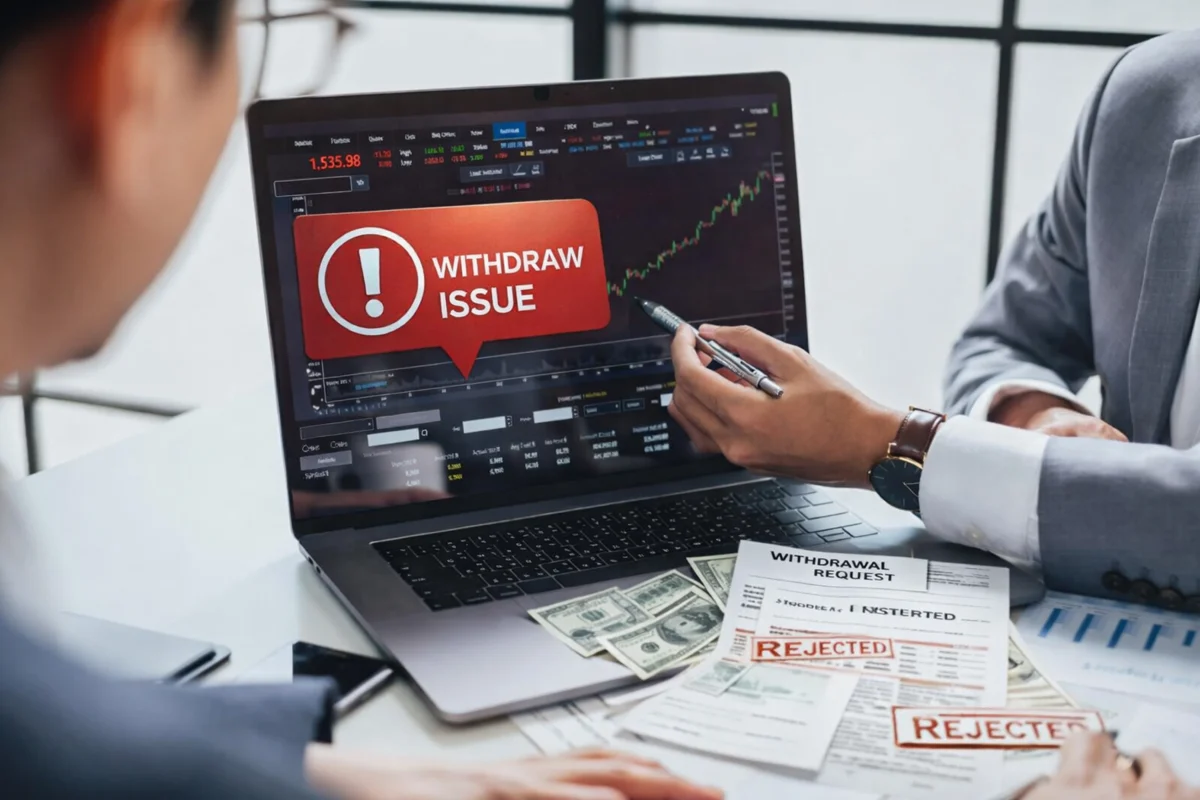
Forex Withdrawal Issues: How Traders Can Fix Them

jkvglobal

Forex trading attracts thousands of investors across the UAE and globally, but one topic that frequently worries traders is withdrawals. Questions about delayed payouts, verification requests, or rejected transactions often appear when traders search for answers about forex trading withdrawal processes.

While most legitimate brokers process withdrawals normally, problems can still occur if certain requirements are not met. Understanding why forex withdrawal problems happen and how to resolve them can help traders protect their funds and avoid unnecessary stress.

This guide explains the common causes of withdrawal issues and practical forex trader withdrawal solutions that can help you fix them.

Why Forex Withdrawals Issues Happen

Withdrawal concerns usually arise when traders expect funds immediately without understanding the procedures brokers must follow. Financial platforms operate under compliance and security rules, which means withdrawals go through several checks.

Common reasons behind forex withdrawal issues include:

  • Incomplete account verification
  • Payment method restrictions
  • Bonus or promotion conditions
  • Processing delays from banks or payment providers
  • Trading account compliance checks

In most cases, these issues are not fraud related but procedural steps required for financial security.

Step 1: Check Your Forex Withdrawal Verification Documents

One of the most common reasons withdrawals get delayed is incomplete or outdated verification. Brokers must confirm the identity of traders to comply with international financial regulations.

Typical forex withdrawal verification documents include:

  • Passport or national ID
    • Proof of address (utility bill or bank statement)
    • Payment method confirmation
    • Selfie verification in some cases

If these documents are missing or expired, the withdrawal request may remain pending until verification is complete.

Solution:
Upload clear documents and ensure that the name on your trading account matches your payment method.

Step 2: Confirm the Payment Method Rules

Many traders are unaware that withdrawals must often be processed using the same payment method used for deposits.

For example:

  • Credit card deposits may be refunded back to the same card
  • Bank transfers require matching bank account names
  • E-wallet withdrawals must match the registered account

If a trader attempts to withdraw to a different method, the system may block the request.

Forex trader withdrawal solution:
Always review the broker’s payment policy before requesting a withdrawal.

Step 3: Understand Processing Times

Not every withdrawal is instant. Processing time depends on the broker, payment channel, and compliance checks.

Typical timelines:

  • Broker internal processing: 24–72 hours
  • E-wallet transfers: 1–2 days
  • Bank transfers: 2–5 business days
  • International wires: up to 7 days

Sometimes traders assume a delay means a problem when the transaction is still within normal processing time.

Step 4: Review Bonus or Trading Conditions

Some trading platforms offer deposit bonuses or promotional credit. These promotions may come with conditions that affect withdrawals.

Examples include:

  • Minimum trading volume requirements
  • Locked funds until trading targets are met
  • Bonus credit not eligible for withdrawal

This is why traders should always read the terms attached to any promotion before accepting it.

Step 5: Check for Signal Loss or Trading System Errors

Another concern some traders mention is withdrawal signal loss, especially when automated systems or trading signals are involved.

This usually refers to situations where:

  • Automated trading software disconnects
  • Account synchronization errors occur
  • Platform updates interrupt signals

Although this does not usually block withdrawals directly, it can affect account balances or trading activity.

Solution:
Ensure the trading platform is updated, internet connections are stable, and automated tools are monitored regularly.

Step 6: Contact Broker Support Quickly

If a withdrawal request remains pending beyond the expected timeframe, the best approach is to contact support immediately.

Provide the following information:

  • Account ID
  • Withdrawal request date
  • Payment method used
  • Transaction confirmation if available

Reputable brokers typically respond quickly and clarify the reason for delays.

How to Avoid Forex Withdrawal Problems in the Future

Prevention is always easier than fixing issues after they happen. Traders can reduce risks by following a few practical steps.


Choose a transparent broker
Look for firms with clear withdrawal policies and strong reputations.


Complete verification early
Upload all documents before making your first deposit.


Use the same payment method
Always withdraw using the method used for deposits unless the broker advises otherwise.


Check forex ratings withdrawal process reviews
Reading user experiences about withdrawals helps identify reliable brokers.


Avoid unrealistic promotions
High bonus offers sometimes come with complex withdrawal restrictions.

Signs of a Reliable Forex Withdrawal Process

A trustworthy broker usually provides:

  • Clear withdrawal policies
  • Reasonable processing times
  • Transparent fees
  • Responsive customer support
  • Secure payment channels

When these elements are present, the forex trading withdrawal process tends to run smoothly.

Final Thoughts

Forex withdrawal issues can be frustrating, but they are often solvable when traders understand the process. Most problems arise from verification requirements, payment method restrictions, or misunderstandings about processing times.

By following proper documentation procedures, reviewing broker policies, and choosing transparent trading platforms, traders can avoid many common withdrawal challenges.

Successful forex trading is not only about strategy and market analysis. It also involves working with platforms that offer reliable account management, clear policies, and smooth withdrawal systems.

Understanding these steps helps traders focus more on their trading goals and less on operational problems.

FAQs

A forex trading withdrawal can be delayed due to incomplete verification documents, payment method checks, compliance reviews, or normal processing timelines. Most brokers require identity verification and security checks before releasing funds to ensure regulatory compliance and protect traders.

Most brokers require a government-issued ID such as a passport, proof of address like a utility bill or bank statement, and verification of the payment method used for deposits. These forex withdrawal verification documents help confirm the trader’s identity and prevent fraud.

Traders can resolve forex withdrawal problems by completing account verification, using the same payment method used for deposits, checking broker withdrawal policies, and contacting customer support if the request remains pending beyond the expected processing time.

Categories
Blogs

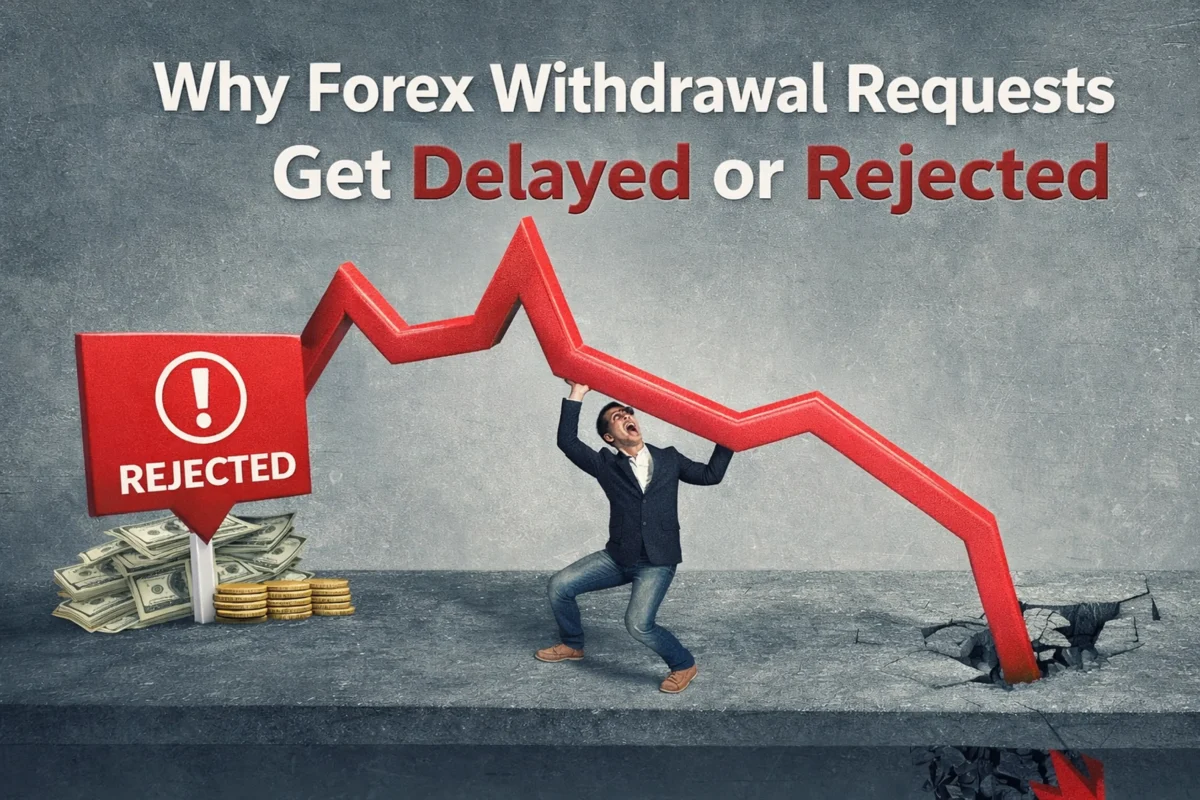
Why Forex Withdrawal Requests Get Delayed or Rejected

jkvglobal

For many traders, the most stressful moment in trading is not opening a position but withdrawing profits. If you have ever experienced a delay or rejection during a forex trading withdrawal, you are not alone. Traders across global markets often search for answers when facing forex withdrawal problems, especially when funds do not arrive on time.

Understanding why withdrawals get delayed and how to resolve them can help traders avoid unnecessary frustration and choose more reliable brokers in the future.

Why Forex Withdrawals Sometimes Take Longer Than Expected

A forex withdrawal is not always instant. Most brokers follow strict compliance procedures before releasing funds. These procedures are designed to protect traders and ensure financial regulations are followed.

Common factors that influence the withdrawal timeline include:

  • Identity verification checks
  • Payment processing times
  • Broker compliance procedures
  • Banking system delays
  • Internal broker risk checks

While delays can be normal in some situations, repeated or unexplained issues may signal deeper problems.

The Most Common Forex Withdrawal Problems Traders Face

1. Incomplete Verification Documents

One of the biggest reasons for withdrawal delays is missing forex withdrawal verification documents.

Before approving withdrawals, brokers typically require:

  • Passport or national ID verification
  • Proof of address
  • Payment method confirmation
  • Anti-money laundering checks

If any document is outdated, unclear, or missing, the broker may temporarily hold the withdrawal request until verification is complete.


2. Payment Method Restrictions

Many traders are unaware that withdrawals must often be processed using the same payment method used for deposits.

For example:

  • Card deposits may require card withdrawals
  • Bank transfers must match the registered account holder
  • E-wallet withdrawals must match the trading account name

If these conditions are not met, the broker may reject the request until the correct method is used.

3. Bonus or Promotion Restrictions

Some trading accounts include promotional bonuses. These offers often come with specific trading volume requirements before withdrawals are allowed.

If the trading conditions linked to a bonus are not met, the broker may delay or reject the withdrawal request.

This is a common cause of forex withdrawal issues solutions searches among new traders.

4. Compliance and Security Checks

Financial brokers must follow anti-money laundering (AML) and financial crime prevention rules.

This means withdrawals may trigger additional checks if:

  • The withdrawal amount is unusually large
  • Multiple deposits came from different payment sources
  • The account activity appears unusual

These checks are designed to protect the financial system but can slow down withdrawals.

5. Technical or Signal-Related Platform Issues

Some traders refer to technical disruptions as withdrawal signal loss, which usually means communication or system interruptions during the withdrawal process.

This can happen due to:

  • Server maintenance
  • Payment gateway outages
  • Platform integration issues
  • Temporary system overloads

In most cases, these issues are temporary and resolved within a short period.

How Traders Can Avoid Forex Withdrawal Issues

While not every delay can be prevented, traders can take several steps to reduce the risk of withdrawal problems.


Verify Your Account Early

Complete all KYC and identity verification steps before depositing significant funds. This prevents delays when requesting a withdrawal later.


Use Consistent Payment Methods

Depositing and withdrawing through the same payment channel simplifies the approval process and reduces compliance checks.


Review Broker Policies Carefully

Before opening an account, review the broker’s:

  • Withdrawal processing time
    • Minimum withdrawal limits
    • Fee structure
    • Bonus conditions

Reliable brokers provide transparent policies and clear timelines.


Maintain Clear Trading Records

Keeping a record of deposits, trades, and account activity helps resolve disputes quickly if problems occur.

How to Evaluate a Broker’s Withdrawal Reputation

One useful approach is reviewing forex ratings withdrawal process information from trusted review platforms. This can help traders understand how efficiently a broker handles withdrawals.

Look for indicators such as:

  • Average withdrawal processing time
  • Customer feedback on payouts
  • Transparency of withdrawal policies
  • Customer support responsiveness

Consistent positive feedback often indicates a trustworthy broker.

Forex Trader Withdrawal Solutions: What to Do if Your Withdrawal Is Delayed

If your withdrawal is delayed, take the following steps:

  1. Contact customer support
    Ask for the exact reason for the delay.
  2. Check verification status
    Ensure all documents are approved.
  3. Review payment method rules
    Confirm the withdrawal method matches the deposit source.
  4. Allow standard processing time
    Many brokers require 24–72 hours before funds are released.
  5. Escalate the issue if necessary

If the broker is regulated, you may contact the relevant financial authority.

Signs of a Reliable Broker Withdrawal Process

Trustworthy brokers typically provide:

  • Clear withdrawal policies
  • Fast verification procedures
  • Transparent processing timelines
  • Dedicated customer support

These factors create confidence for traders managing larger accounts.

Final Thoughts

Withdrawal delays can happen in forex trading, but most cases are linked to verification checks, payment method restrictions, or compliance procedures. Understanding the withdrawal process helps traders avoid unnecessary issues and manage their expectations.

Before trading with any platform, it is important to review withdrawal policies, verify account requirements, and work with reputable brokers that maintain transparent financial practices.

A smooth forex trading withdrawal process is often one of the strongest indicators of a broker’s reliability and long-term trustworthiness.

FAQs

Forex withdrawal requests can take time due to verification checks, payment processing delays, or compliance procedures such as anti-money laundering reviews. Brokers may also require additional identity or payment verification documents before approving the withdrawal.

Most brokers require identity verification documents such as a passport or national ID, proof of address, and confirmation of the payment method used for deposits. These documents help ensure the withdrawal is sent to the correct account and comply with financial regulations.

Traders can reduce withdrawal issues by completing account verification early, using the same payment method for deposits and withdrawals, reviewing broker withdrawal policies, and choosing regulated brokers with transparent processing timelines.

Categories
Blogs

Forex Trading Withdrawal: Process, Documents, and Common Issues Explained

jkvglobal

For many traders, the real test of a trading platform is not when they open an account or place a trade. It is when they request a withdrawal. Understanding the forex trading withdrawal process is essential for anyone participating in global currency markets.

While most regulated brokers follow clear procedures, some traders still experience delays or confusion due to incomplete verification, payment method restrictions, or misunderstanding broker policies. This guide explains how withdrawals work, what documents are required, and how to avoid common forex withdrawal problems.

Why Forex Withdrawal Transparency Matters

In online trading, withdrawals represent the final step where profits are transferred from a trading account back to the trader’s bank or payment method. Reliable brokers maintain clear withdrawal policies to ensure transparency and regulatory compliance.

A transparent forex withdrawal process typically includes:

  • Identity verification checks
  • Secure payment processing
  • Compliance with anti-money laundering regulations
  • Confirmation of payment method ownership

These steps help prevent fraud and protect both traders and financial institutions.

How the Forex Trading Withdrawal Process Works

The withdrawal process usually follows a structured workflow. Although the exact timeline may vary between brokers, most regulated platforms follow similar steps.


Step 1: Submit a Withdrawal Request

Traders log into their trading dashboard and submit a withdrawal request specifying the amount and preferred payment method.

Most platforms allow withdrawals through:

  • Bank transfer
  • Credit or debit cards
  • Digital wallets
  • Local payment gateways

Step 2: Account Verification

Before approving the request, brokers check whether the account is fully verified. This ensures the funds are sent to the rightful owner.

This step is where many forex withdrawal verification documents are required.


Step 3: Compliance Review

The broker reviews the request for regulatory compliance. This includes verifying the original deposit source and ensuring the withdrawal method matches the funding method whenever possible.


Step 4: Processing and Payment

Once approved, the withdrawal enters the payment processing stage. Processing times depend on the payment channel.

Typical timelines:

  • E-wallets: a few hours to 24 hours
  • Card refunds: 1–5 business days
  • Bank transfers: 2–7 business days

Forex Withdrawal Verification Documents Traders May Need

Many traders face delays because they are unfamiliar with documentation requirements. These documents help confirm identity and prevent financial fraud.

Common verification documents include:


Identity verification

  • Passport or national ID
  • Driver’s license

Address verification

  • Utility bill
  • Bank statement
  • Government correspondence

Payment verification

  • Screenshot of digital wallet account
  • Partial card photo (showing first and last digits)
  • Bank account ownership proof

Submitting accurate documents can significantly reduce withdrawal delays.

Common Forex Withdrawal Problems Traders Face

Even with legitimate brokers, traders may occasionally experience issues. Understanding the reasons helps resolve them faster.


1. Incomplete Verification

If required documents are missing or unclear, the broker may pause the withdrawal request.

Solution: Upload clear and updated verification documents.


2. Payment Method Restrictions

Some brokers require withdrawals to be sent through the same method used for deposits.

Solution: Ensure your withdrawal method matches your original funding source.


3. Bonus or Promotion Conditions

Trading bonuses may include restrictions that affect withdrawals until certain trading volumes are reached.

Solution: Review promotional terms before accepting bonuses.


4. Compliance and Anti-Fraud Checks

Large withdrawals may trigger additional compliance reviews.

Solution: Maintain clear account documentation and communicate with support if additional verification is requested.

Understanding “Withdrawal Signal Loss” in Trading Discussions

Some traders refer to withdrawal signal loss when automated systems or trading signals stop functioning after profits are withdrawn.

In reality, this usually relates to:

  • Changes in account balance affecting algorithmic strategies
  • Signal provider subscription limitations
  • Platform synchronization issues

Traders using automated systems should verify that their strategies adjust properly after withdrawals.

Forex Trader Withdrawal Solutions for Faster Processing

Experienced traders follow several best practices to avoid delays.


Complete account verification early

Verify your identity immediately after opening an account rather than waiting until your first withdrawal.


Use trusted payment methods

Bank transfers and well-known digital wallets are generally the most reliable.


Maintain consistent account information

Your trading account name should match your payment method name.


Understand broker withdrawal policies

Always read the broker’s withdrawal terms before depositing funds.

Role of Forex Ratings and Reviews in Evaluating Withdrawals

Many traders check forex ratings withdrawal process reviews before choosing a broker. These reviews can provide insights into:

  • Average withdrawal speed
    • Payment reliability
    • Customer service quality
    • Transparency of withdrawal policies

However, traders should verify information from multiple trusted sources rather than relying on a single review.

Trends in Forex Withdrawal Processes (2025–2026)

Forex trading technology continues to evolve, and withdrawal systems are becoming more efficient.

Key trends include:


Faster payment infrastructure

Some brokers are integrating instant payment systems and real-time processing.


Stronger verification protocols

Regulators are increasing identity verification standards to prevent financial crime.


Improved user dashboards

Modern trading platforms provide detailed withdrawal tracking and automated status updates.


Greater transparency

More brokers now publish clear withdrawal timelines and fee structures to improve trust.

How to Avoid Forex Withdrawal Issues

Before choosing a trading platform, traders should evaluate several factors.

Look for brokers that offer:

  • Clear withdrawal policies
  • Transparent fees
  • Multiple payment methods
  • Responsive customer support
  • Strong regulatory compliance

These factors significantly reduce the likelihood of forex withdrawal issues.

Final Thoughts

Forex trading withdrawals should be a straightforward process when traders work with transparent and regulated platforms. Most delays occur due to incomplete verification, misunderstanding payment policies, or compliance checks required by financial regulations.

Understanding the forex trading withdrawal process, preparing the correct verification documents, and choosing a reliable broker can help traders withdraw funds smoothly and confidently.

In today’s evolving trading landscape, transparency and compliance are becoming more important than ever. By following proper verification steps and staying informed, traders can avoid common withdrawal problems and focus on building long-term trading strategies.

FAQs

Forex trading withdrawal times depend on the broker and the payment method used. E-wallet withdrawals can take a few hours to 24 hours, while bank transfers may take 2 to 7 business days. Processing delays can occur if account verification is incomplete or additional compliance checks are required.

Most brokers require identity and payment verification before approving a withdrawal. Common forex withdrawal verification documents include a passport or government ID, proof of address such as a utility bill or bank statement, and confirmation of the payment method used for deposits. These documents help brokers comply with financial regulations and prevent fraud.

Forex withdrawal problems can occur due to incomplete account verification, mismatched payment methods, bonus restrictions, or compliance reviews required by financial regulations. Choosing a transparent and regulated broker, verifying your account early, and understanding withdrawal policies can help prevent these issues.

Categories
Blogs

Forex Withdrawal Problems: Causes and Real Solutions

jkvglobal

For many traders, the biggest concern in online trading is not placing a trade but withdrawing funds. Searches related to forex withdrawal problems have increased as more people begin trading online and want clarity on how the withdrawal process actually works.

In reality, most forex trading withdrawal delays are caused by verification requirements, payment processing rules, or misunderstandings about broker policies. This guide explains the common reasons withdrawals fail or get delayed and what traders can do to solve them safely.

If you are trading with a forex trading company in Dubai or anywhere in the UAE, understanding the withdrawal process helps protect your capital and avoid unnecessary stress.

Why Forex Withdrawals Sometimes Fail

Forex withdrawals are not instant because brokers must follow financial regulations, anti-money laundering rules, and payment provider requirements.

Common reasons include:

  • Incomplete verification documents
  • Payment method restrictions
  • Broker processing time
  • Bank or payment gateway delays
  • Bonus or promotion conditions
  • Incorrect account information

These factors can cause what many traders refer to as forex withdrawal issues, even though the problem is often procedural rather than fraudulent.

Withdrawal Verification Documents: Why Brokers Require Them

One of the most common causes of forex withdrawal problems is missing or incomplete verification.

Before releasing funds, brokers must confirm the identity of the trader. This process is called KYC (Know Your Customer).

Typical forex withdrawal verification documents include:

  • Passport or Emirates ID
    • Proof of address such as utility bill
    • Bank statement or payment confirmation
    • Sometimes a selfie or identity verification video

These checks help prevent fraud, identity theft, and money laundering.

The best approach is to complete verification immediately after opening your trading account instead of waiting until you request a withdrawal.

Payment Method Mismatch

Another frequent issue happens when traders try to withdraw using a different method than the one used for deposits.

For example:

  • Deposit with credit card
  • Attempt withdrawal to a different bank account

Most brokers must return funds to the original payment source first before allowing transfers to other accounts. This rule exists to prevent financial misuse.

Broker Processing Time

Every broker has a withdrawal processing window. Even reputable brokers may require:

  • 24 to 48 hours for internal approval
  • Additional time for bank transfers
  • Up to several days for international payments

This timeline varies depending on the forex ratings withdrawal process and the payment provider involved.

Understanding these timelines helps traders avoid assuming there is a problem when the request is still within normal processing limits.

Bonus Restrictions and Trading Requirements

Some trading accounts include promotional bonuses or trading incentives. These offers may come with conditions that affect withdrawals.

For example:

  • Minimum trading volume before withdrawal
  • Restrictions on withdrawing bonus funds
  • Profit withdrawal rules tied to promotions

Always review bonus terms before accepting them to avoid unexpected withdrawal restrictions later.

Withdrawal Signal Loss or Payment Errors

Traders sometimes experience what they describe as withdrawal signal loss, which usually refers to failed transaction confirmations or payment gateway errors.

This may happen due to:

  • Temporary payment system outages
  • Incorrect bank details
  • Network interruptions during withdrawal submission

If this occurs, the request may simply need to be resubmitted after confirming the details.

Real Solutions to Forex Withdrawal Issues

If you encounter withdrawal problems, follow these steps before assuming the worst.


1. Verify Your Account First

Ensure all identity documents are submitted and approved. Unverified accounts often face withdrawal delays.


2. Check Broker Withdrawal Policies

Review the broker’s terms regarding:

  • Minimum withdrawal amount
    • Processing time
    • Payment methods

Clear policies indicate a more transparent broker.


3. Use the Same Payment Method

Whenever possible, withdraw funds through the same channel used for deposits.


4. Contact Customer Support

Reliable brokers provide support channels such as email, chat, or phone assistance to resolve forex withdrawal issues solutions quickly.


5. Track the Request Status

Most platforms show withdrawal status inside the trading dashboard. Monitoring this helps determine whether the request is still processing.

How to Avoid Withdrawal Problems Before They Start

Experienced traders take a few precautions to prevent issues later.

Practical tips include:

  • Choose brokers with transparent withdrawal policies
  • Verify your account early
  • Keep copies of deposit and payment records
  • Avoid unrealistic bonus offers
  • Read real user reviews and forex ratings

Taking these steps reduces the chances of encountering major withdrawal problems.

Trends in Forex Withdrawals (2025–2026)

The trading industry is evolving, and several changes are improving withdrawal reliability.


Faster digital payments
E-wallets and instant transfer systems are reducing withdrawal times.


Improved compliance technology
Automated identity verification helps brokers approve withdrawals faster.


Stronger regulatory monitoring
Financial authorities are increasing oversight of trading platforms to protect investors.

These developments are gradually improving transparency and efficiency in the withdrawal process.

When Withdrawal Problems Could Be a Warning Sign

While many issues are normal procedural delays, certain warning signs should not be ignored.

Be cautious if a broker:

  • Repeatedly delays withdrawals without explanation
  • Requests excessive or unusual documents
  • Pushes traders to deposit more before releasing funds
  • Provides unclear or inconsistent responses

These could indicate an unreliable or unregulated platform.

Final Thoughts

Forex trading withdrawals should be straightforward when traders understand the process and work with reliable brokers. Most forex withdrawal problems are caused by verification issues, payment method restrictions, or processing timelines rather than deliberate withholding of funds.

By verifying accounts early, understanding broker policies, and using secure payment methods, traders can avoid many common withdrawal issues.

A transparent withdrawal process is one of the strongest indicators of a trustworthy trading environment, making it an important factor when choosing a forex trading platform.

FAQs

Forex withdrawal problems usually occur due to incomplete account verification, mismatched payment methods, or broker processing timelines. Most regulated brokers require identity verification documents and must follow anti-money laundering rules before approving withdrawals, which can sometimes cause delays.

Most brokers require identity verification before processing a forex trading withdrawal. Common documents include a passport or Emirates ID, proof of address such as a utility bill, and confirmation of the payment method used for deposits. Submitting these documents early can help prevent withdrawal delays.

Traders can resolve forex withdrawal issues by ensuring their account is fully verified, using the same payment method for deposits and withdrawals, checking the broker’s withdrawal policy, and contacting customer support if delays occur. Choosing a regulated broker with transparent policies also reduces withdrawal risks.

Categories
Blogs

ADGM & DFSA Regulated Brokers in Dubai Explained

jkvglobal

Dubai has grown into one of the most important financial hubs in the Middle East, attracting investors, traders, and global financial institutions. With this growth, regulation has become a major factor when choosing a trading partner. Many investors today specifically look for a regulated broker to ensure transparency, security, and compliance with financial laws.

If you are planning to invest or trade currencies, equities, or other assets, understanding the difference between ADGM regulated brokers and DFSA regulated brokers is essential. This guide explains how regulation works in Dubai, why it matters, and how to choose the right regulated forex broker in UAE.

Why Regulation Matters When Choosing a Broker

Financial markets involve real risk, and not every brokerage operating online follows strict compliance standards. That is why investors increasingly prioritize working with a regulated forex broker UAE rather than unlicensed offshore platforms.

Regulated brokers must follow strict rules that protect investors, including:

  • Transparent pricing and trading conditions
    • Client fund segregation
    • Anti-money laundering compliance
    • Regular financial audits
    • Investor protection policies

These safeguards create a more reliable environment for traders and investors in Dubai.

The Two Major Financial Regulators in the UAE

Dubai and the UAE have multiple regulatory frameworks, but two authorities are especially important for international investors.


1. ADGM – Abu Dhabi Global Market

The Abu Dhabi Global Market (ADGM) is an international financial center located in Abu Dhabi. It operates under an independent legal framework based on English common law.

An ADGM regulated broker must follow strict financial regulations designed to align with global standards. These brokers are supervised by the Financial Services Regulatory Authority (FSRA).

Key advantages of ADGM regulated brokers

  • Strong international regulatory framework
    • Investor protection mechanisms
    • Global financial credibility
    • Transparent operating standards

This makes ADGM attractive for international trading firms and professional investors.


2. DFSA – Dubai Financial Services Authority

The Dubai Financial Services Authority (DFSA) regulates financial firms operating in the Dubai International Financial Centre.

A DFSA regulated broker must follow strict rules covering risk management, compliance, and financial transparency.

Benefits of DFSA regulation

  • Strong oversight for brokers and financial firms
    • Client protection through strict compliance rules
    • Transparency in trading practices
    • Clear dispute resolution framework

Many global trading companies choose the DIFC environment because it provides international credibility and regulatory clarity.

ADGM vs DFSA: What’s the Difference?

Both regulators follow high international standards, but they operate in different jurisdictions within the UAE.

Feature

ADGM

DFSA

Location

Abu Dhabi

Dubai

Financial Center

ADGM

DIFC

Legal System

English common law

Independent financial regulations

Primary Focus

Global financial services

Investment, banking, brokerage

Investor Access

International investors

Regional and global investors

For most traders, both regulatory systems provide strong protection. The choice often depends on the broker’s services and trading environment.

What Is a Regulated Forex Broker in UAE?

A regulated forex broker UAE is a brokerage firm that has obtained official approval from a recognized financial authority such as the DFSA or FSRA.

These brokers must comply with strict operational rules including:

  • Secure handling of client funds
    • Transparent trading conditions
    • Clear reporting and auditing standards
    • Proper risk disclosure

Working with a regulated broker reduces the risk of fraud and increases trust in trading operations.

Regulated Equity Brokers vs Forex Brokers

Some brokerage firms specialize in currency markets, while others offer multiple asset classes including stocks and indices.

Regulated equity brokers usually provide access to:

  • Global stock markets
    • ETFs and equity derivatives
    • Portfolio investment solutions

Meanwhile, forex-focused brokers mainly provide currency trading and CFD markets.

Many modern platforms now offer both under one regulated environment.

How to Identify a Legitimate Regulated Broker

Before opening a trading account, it is important to verify the broker’s regulatory status.

Here are a few practical steps:


Check the regulator’s official website
Most authorities publish a public register of licensed firms.


Confirm license details
The broker’s license number and regulatory body should be clearly displayed.


Review company transparency
Legitimate brokers openly share their office locations, leadership team, and compliance policies.


Avoid unrealistic promises
No regulated broker guarantees profits or risk-free trading.

Why Dubai Attracts Regulated Brokers

Dubai’s financial ecosystem continues to grow due to several factors.


Strategic location
Dubai connects Asian, European, and African financial markets.


Investor-friendly environment
The city supports global capital flows and financial innovation.


Strong regulatory structure
Authorities like the DFSA and ADGM maintain investor confidence.


Growing wealth management industry
High-net-worth investors and institutional traders are increasingly active in the region.

These factors make Dubai one of the fastest-growing financial centers globally.

Trends in UAE Brokerage Regulation (2025–2026)

The financial services sector in the UAE is evolving rapidly. Several trends are shaping the future of brokerage regulation.


Greater transparency requirements
Regulators are increasing compliance reporting and risk disclosure.


Technology-driven compliance
Digital monitoring and automated reporting systems are becoming standard.


Investor protection improvements
Authorities are introducing stricter policies to prevent fraudulent investment schemes.


Expansion of multi-asset trading platforms
More brokers now offer forex, equities, commodities, and digital assets under regulated frameworks.

How to Choose the Right Regulated Broker in Dubai

Choosing the right broker involves more than simply checking regulation.

Consider these factors:

  • Regulatory authority and license verification
  • Trading platforms and technology
  • Fee transparency and spreads
  • Deposit and withdrawal reliability
  • Education and market research support

A broker that combines strong regulation with reliable technology and transparent operations creates a better long-term trading experience.

Final Thoughts

Dubai’s financial sector continues to attract investors from around the world, but regulation remains one of the most important factors when choosing a broker.

Understanding the difference between ADGM regulated brokers and DFSA regulated brokers helps traders and investors make informed decisions. Both regulatory systems provide strong oversight, investor protection, and global credibility.

For anyone exploring trading opportunities in the region, working with a regulated forex broker in UAE is one of the most important steps toward building a secure and transparent investment strategy.

FAQs

An ADGM regulated broker is licensed by the Financial Services Regulatory Authority within Abu Dhabi Global Market, while a DFSA regulated broker operates under the Dubai Financial Services Authority within the Dubai International Financial Centre. Both regulators enforce strict compliance standards, investor protection rules, and financial transparency, making them trusted frameworks for regulated brokers in the UAE.

You can verify a regulated forex broker in UAE by checking the official registry of the Dubai Financial Services Authority (DFSA) or the Financial Services Regulatory Authority (FSRA) of Abu Dhabi Global Market. A legitimate broker will clearly display its license number, regulatory authority, and company details on its website.

Choosing a regulated broker in Dubai provides stronger investor protection, transparent trading conditions, and better compliance with financial laws. Regulated brokers must follow strict rules such as segregating client funds, maintaining proper risk disclosures, and undergoing regular audits, which helps reduce the risk of fraud or unfair trading practices.